What Is an Ionizing Air Blower?
Industry Background and Market Demand
The demand for electrostatic control has grown significantly across industries where even minor particle contamination can compromise product quality. Electronics manufacturing, semiconductor production, medical device assembly, and printing facilities require solutions to neutralize static charges that attract dust or disrupt sensitive processes. Traditional methods like chemical sprays or manual wiping are inefficient for large-scale operations, creating a need for automated, non-contact solutions.
Ionizing air blowers address this gap by combining compressed air delivery with ionization technology. The global market for static control equipment is projected to expand at a CAGR of 6.2% from 2023 to 2030, driven by stricter quality standards in precision manufacturing. Unlike passive ionizers, blowers actively direct ionized airflow to specific targets, making them ideal for high-speed production lines.
Core Technology: How Ionization Works
An ionizing air blower generates balanced positive and negative ions to neutralize static charges on surfaces. The key component is an ionization emitter, typically a needle or carbon fiber brush, connected to a high-voltage power supply (typically 5–7 kV). When air passes through the emitter, corona discharge creates ions that attach to oppositely charged surfaces, restoring electrical equilibrium.
Critical to performance is ion balance—the ratio of positive to negative ions. A deviation exceeding ±10 V can leave residual charges. Modern blowers incorporate feedback sensors and auto-calibration circuits to maintain balance within ±5 V, even in fluctuating humidity (30–70% RH).
Product Structure and Manufacturing
A standard ionizing air blower consists of:
1. Air Delivery System: A centrifugal fan or compressed air nozzle (0.2–0.7 MPa pressure range) ensures consistent airflow (2–20 m/s).
2. Ion Generation Module: Emitters made from tungsten or stainless steel resist oxidation. Some designs use pulsed DC to reduce ozone production (<0.05 ppm).
3. Control Unit: Microprocessors regulate voltage and monitor ion output, with LED indicators for fault detection.
Housing materials like ABS or aluminum alloys (for EMI shielding) are selected based on industrial environment requirements. In cleanroom applications (ISO Class 5 or higher), manufacturers use antistatic coatings to prevent secondary contamination.
Performance Determinants
Four factors dictate ionizing blower efficacy:
1. Decay Time: The speed at which a 1,000 V charge is neutralized. High-performance models achieve<1 second at 300 mm distance.
2. Airflow Uniformity: Turbulence-free laminar flow ensures even ion distribution. Computational fluid dynamics (CFD) optimizes nozzle designs.
3. Emitter Lifespan: Carbon fiber emitters last 8,000–10,000 hours versus 3,000–5,000 hours for metal needles.
4. Power Supply Stability: Ripple voltage below 5% prevents ion imbalance during line voltage fluctuations.
Supplier Selection Criteria
For B2B buyers, evaluating suppliers involves:
- Compliance: Certifications like IEC 61340-5-1 (ESD control) and UL 867 (ozone safety).
- Customization: Adjustable airflow patterns or modular designs for integration with robotic arms.
- Service Network: Availability of calibration services and spare parts (e.g., emitter replacement kits).
Top-tier suppliers often provide test reports showing ion balance and decay time measurements under controlled conditions.
Common Challenges and Solutions
Problem 1: Inconsistent Performance in Low Humidity
Solution: Blowers with built-in humidification or higher voltage (8–10 kV) compensate for dry air’s reduced conductivity.
Problem 2: Ozone Buildup in Enclosed Spaces
Solution: Pulsed DC systems reduce ozone by 60% compared to AC ionizers.
Problem 3: Contamination from Emitter Wear
Solution: Self-cleaning emitters with periodic polarity reversal minimize particle shedding.
Applications and Case Studies
- Electronics Assembly: A German automotive sensor manufacturer reduced defect rates by 34% after installing ionizing blowers above PCB conveyor belts.
- Pharmaceutical Packaging: Blowers with HEPA-filtered airflow prevent static-induced misalignment of blister packs.
- 3D Printing: Ionization prevents powder adhesion to non-printed areas in selective laser sintering (SLS) systems.
Future Trends
1. Smart Integration: IoT-enabled blowers with real-time performance analytics and predictive maintenance alerts.
2. Energy Efficiency: Low-power designs (<15 W) using piezoelectric ionizers.
3. Miniaturization: Compact blowers for handheld devices in field service applications.
FAQ
Q: How often should emitter tips be replaced?
A: Every 6–12 months, depending on usage intensity. Carbon fiber emitters require less frequent replacement than metal ones.
Q: Can ionizing blowers damage sensitive components?
A: Properly calibrated units pose no risk. However, direct contact with emitters should be avoided (risk of micro-discharge).
Q: What’s the typical maintenance routine?
A: Monthly airflow verification and quarterly ion balance checks using a calibrated field meter.
The ionizing air blower market continues to evolve with advancements in materials science and automation. As industries prioritize yield improvement, these systems will remain critical for electrostatic management in precision environments.


 English
 Español
 Pусский
 Français
 Deutsch
 日本語
日本語 한국어
한국어 العربية
 Italiano
 Nederlands
 Polski
 ไทย
ไทย Türk dili
 हिन्दी
 Indonesia
 Melayu
 Tiếng Việt
 বাংলা
বাংলা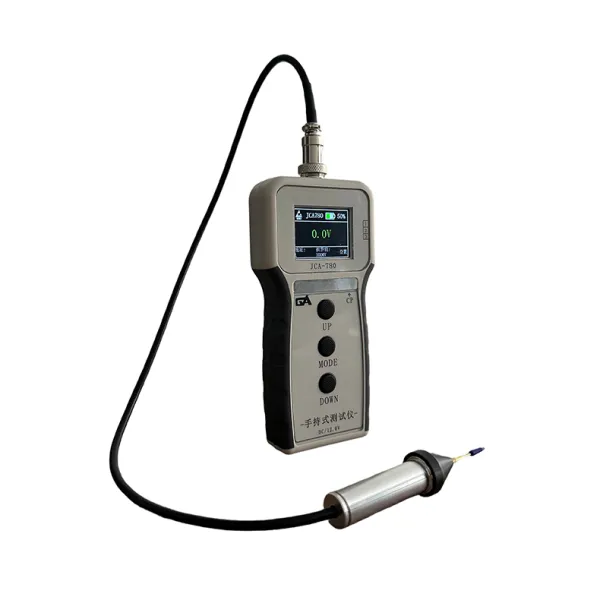 Testador de condutor isolado compacto portátil - Medidor de tensão estática preciso com operação com tela sensível ao toque
 Testador ESD portátil operado por toque - Instrumento preciso de detecção estática
 Estação de solda inteligente antiestática de alta frequência - Ferro de solda sem chumbo de nível industrial para reparo eletrônico
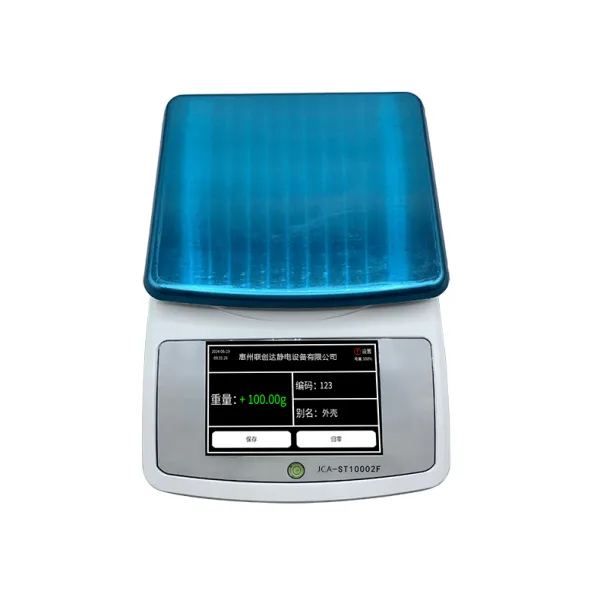 Balança industrial leve de precisão - pesagem portátil de alta precisão, gravação de dados de código QR
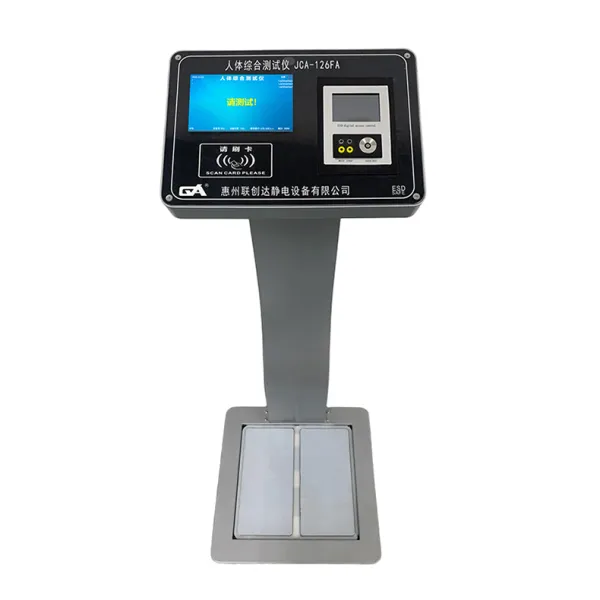 Testador abrangente de corpo humano Pro ESD - Portão de acesso antiestático com reconhecimento biométrico e de cartão
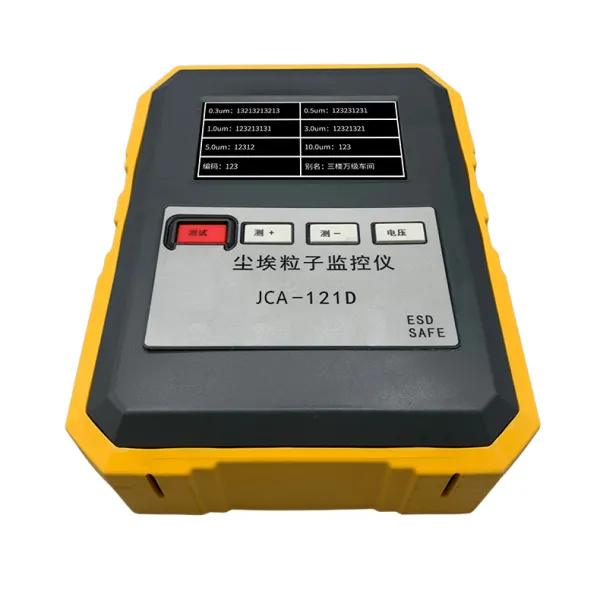 Contador portátil de partículas Lianchuangda - testador de limpeza de ar específico para salas limpas
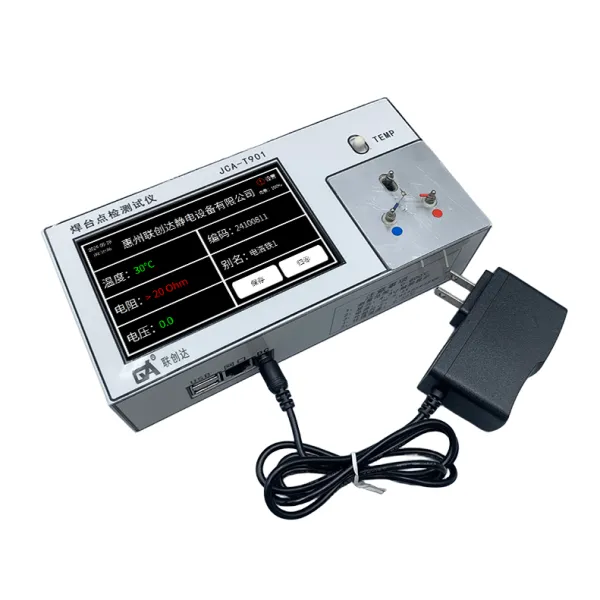 Testador de pressão ambiental Lianchuangda Display digital sem fio e monitoramento de aterramento
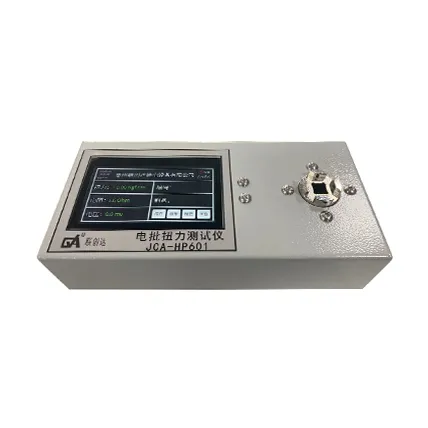 Testador de torque de chave de fenda elétrica digital - medição precisa, armazenamento de dados inteligente
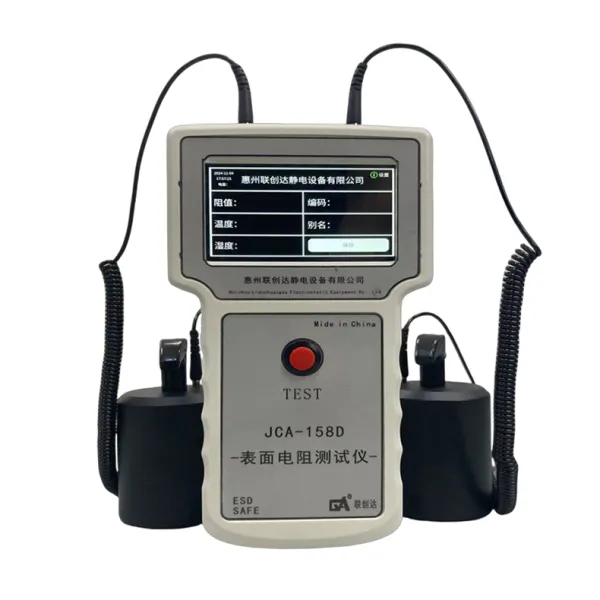 Testador portátil de resistência de superfície de martelo - Megôhmetro industrial inteligente com rede de dados
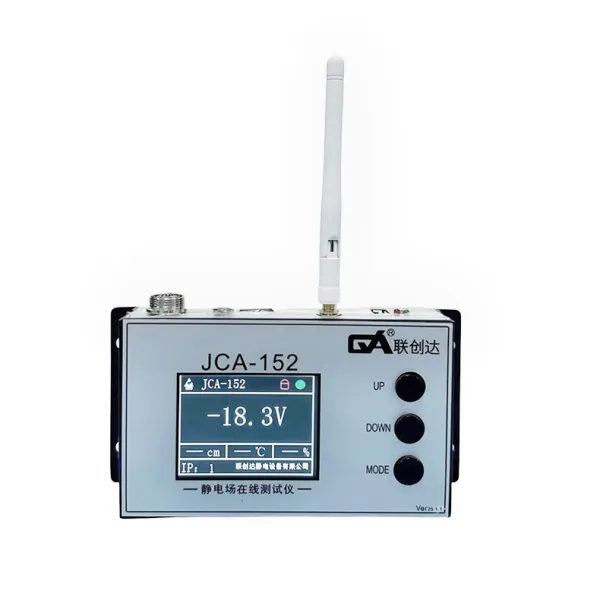 Testador de campo ESD sem fio - Monitoramento de tensão em tempo real, fácil instalação e operação visual
 Testador estático de ventilador de íon sem fio com tela colorida com medição de tensão e transmissão de dados
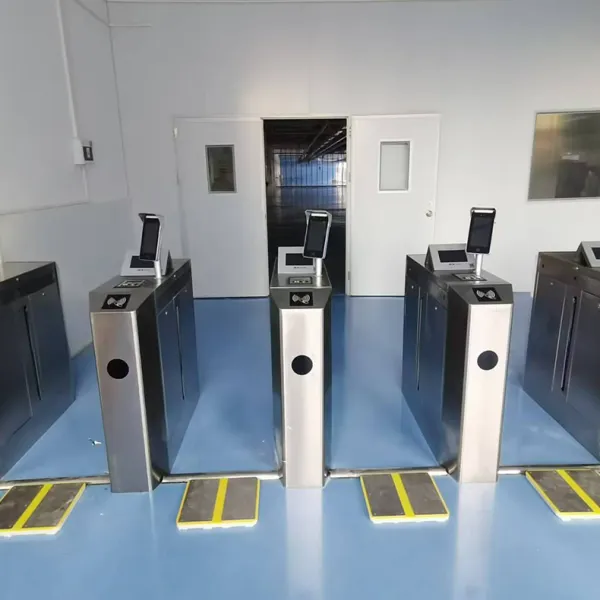 Torniquete de controle de acesso antiestático de teste Lianchuangda JCA-S106 suporta banco de dados MySQL
 Ventilador de íons DC suspenso de 3 cabeças - Eliminador de estática inteligente e silencioso, personalizável
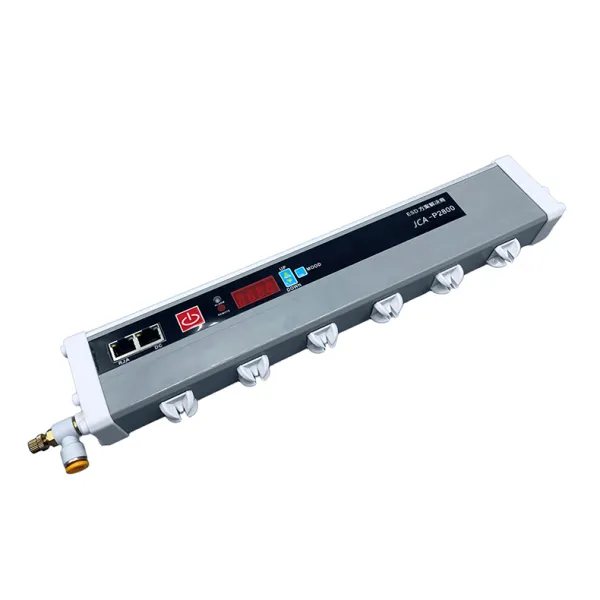 Barra de ar de íon ESD tipo pulso - Eliminador de estática específico da indústria para remoção de ESD
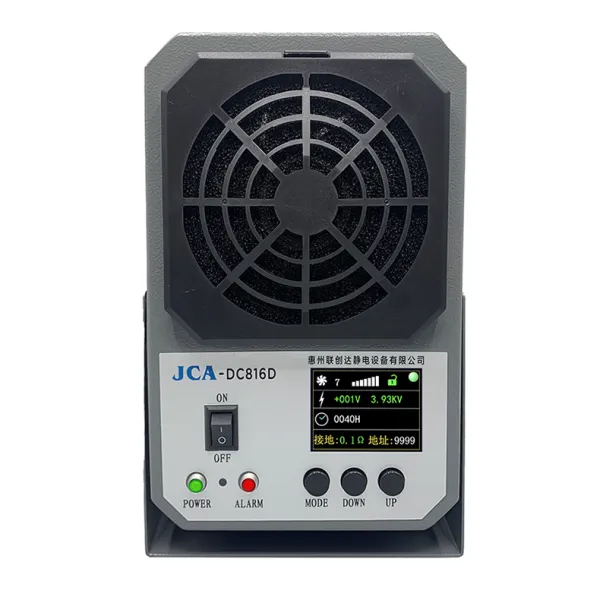 Ventilador de íons DC inteligente Lianchuangda - Eliminação estática de nível industrial para oficinas de fábrica
 Ventilador de íon de cabeça única DC de mesa - Eliminador de estática profissional com conectividade de rede sem fio
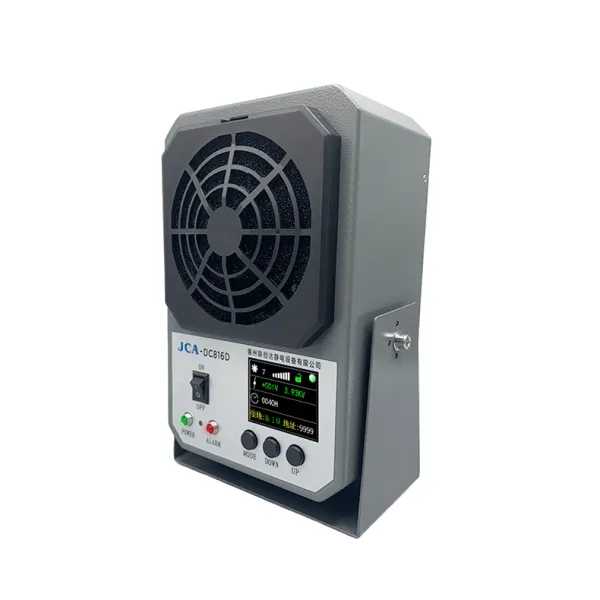 Fabricante de ventilador de íon DC inteligente, equipamento eletrônico antiestático de eliminação de estática de nível industrial
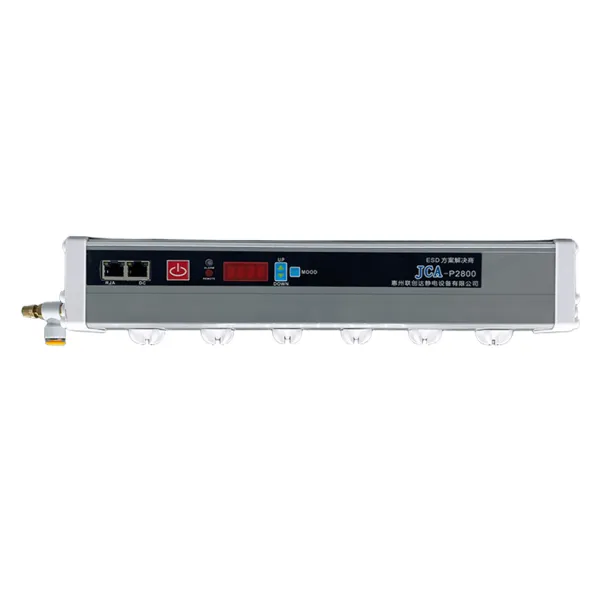 Eliminador de estática de barra de ar de íon antiestático tipo pulso de eliminação estática industrial
 A proteção estática do ventilador de íon com três saídas de ar e tela colorida de 2,2 polegadas elimina a eletricidade estática
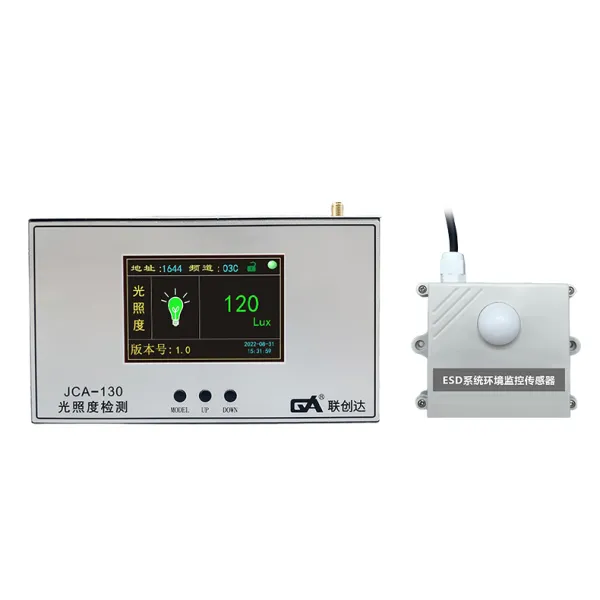 3.5 Inch Color LCD Wireless Digital Lux Meter - High-Precision Environmental Detector with Network Connectivity
 Sistema de alarme de detecção de ruído sem fio inteligente - testador digital para monitoramento ambiental com rede
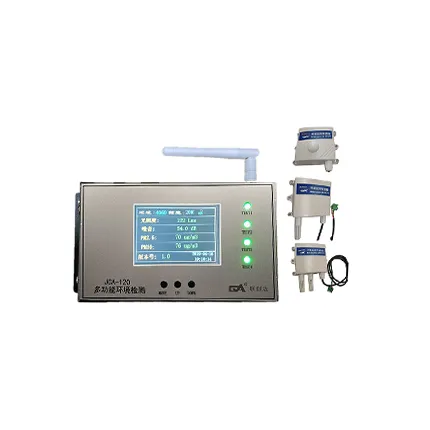 Detector ambiental multifuncional sem fio LCD colorido de 3,5 polegadas - testador de partículas de poeira com conectividade WiFi
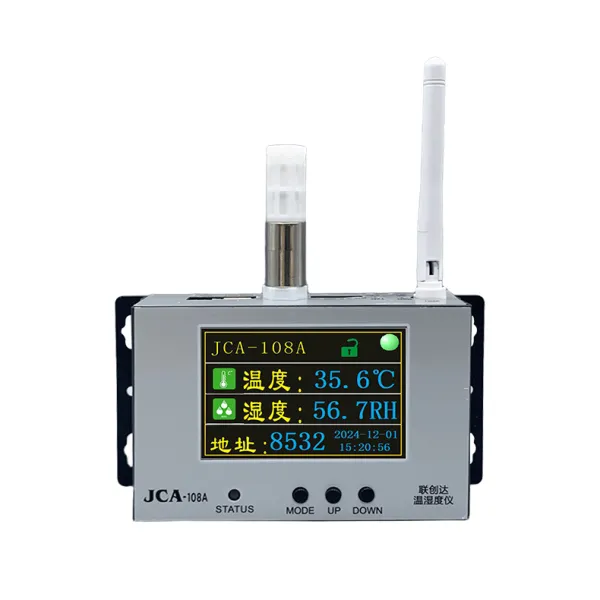 Monitor de temperatura e umidade sem fio - Gravador inteligente com consulta remota e transmissão de dados
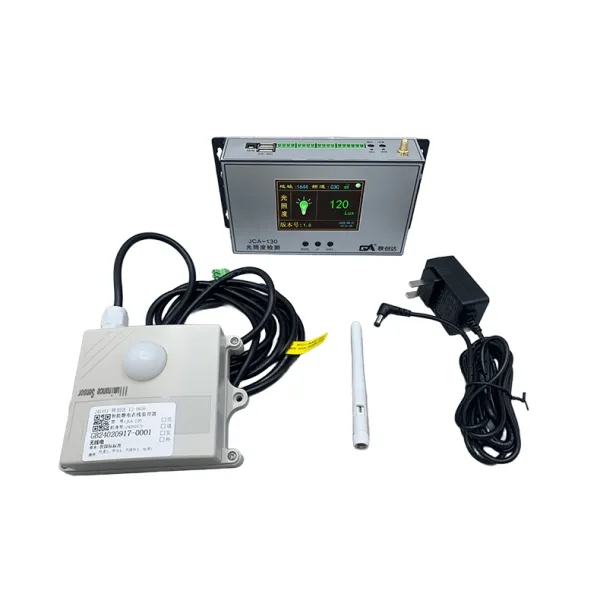 Testador de iluminação de display digital sem fio Lianchuangda - Testador ambiental de alta precisão com tela colorida LCD de 3,5 polegadas





 Whatsapp
 Telefone
Comente
(0)